Pagalba
 Kontaktai
 Atsiliepimai
 Verslui
 Varlė
Varlė


Krepšelis tuščias
Turite Varlės paskyrą?
Prisijunkite, kad pamatytumėte krepšelio turinį
Prisijungti

 Visos prekės


 Krepšelis
Tuščias
Prekių
Krepšelis
Krepšelis
Tuščias
Prekių
Krepšelis
Prisijunkite, kad pamatytumėte krepšelio turinį
Prisijungti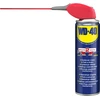
 4.5
4.5

 4.5
4.5
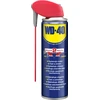
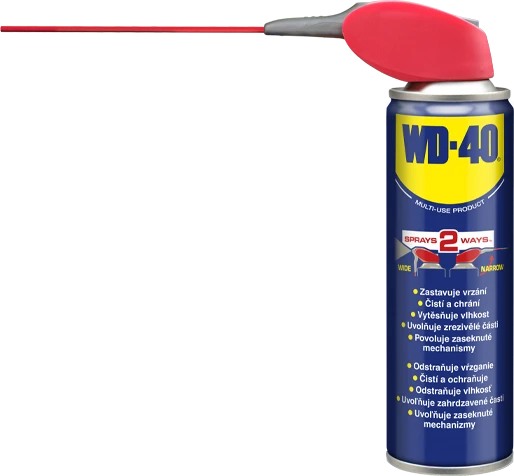
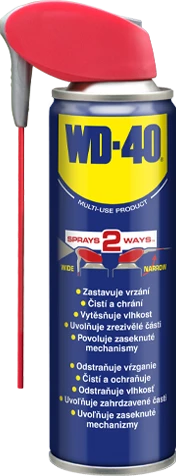
Universal lubricant WD-40 original It is an instantly and maximally effective, fast penetrating lubricant and preservative. It combines the properties of several products. An indispensable helper for DIY and professionals. Serves as protection against moisture, oxidation and salt spray. Protective agent for metal parts of weapons and hunting tools, lubricant for bowdens, ball slides, door and window hinges, power tools, etc. Serves as a solvent for old lubricants, loosens caked and stiffened mechanisms of locks. WD-40 can be applied in several ways: by spraying with a spray or mechanical sprayer, by coating, by immersing the object in a WD-40 bath. Features Silicone free; No WD-WD; WD-WD-free; WD-WD-free; WD-WD-free; WD-WD-free; Loosens rusted parts; Protects and preserves Uses High-strength steels (hydrogen embrittlement) - labeled safe by Lawrence Hydrogen Effusion Test. Rubber - No visible effect on the surface of various types of rubber when WD-40 spray is applied. Some types of rubber swell with prolonged immersion in WD-40. Plastics - The following plastics were immersed in WD-40 for 168 hours with no visible effect: Polyethylene, Acrylic, Vinyl, Polypropylene, Polyester, Nylon, Teflon, Epoxy, Delrin, Formica (similar to Umakart). Clear polycarbonate and polystyrene may develop cracks or fissures on contact with WD-40. Painted surfaces - many types of paint on various surfaces have been exposed to WD-40 without effect. Softening of the surface may occur with some wax-based polishes. Fabrics - The following fabrics have been exposed to WD-40 without effect, except for light soiling that can be easily removed with gasoline or other liquid cleaner: nylon, orlon, wool, dacron, cotton.

 5-6 d. d.


 4-6 d. d.

 4-6 d. d.
 4-6 d. d.

 5.0
6-9 d. d.
5.0
6-9 d. d.
 4-8 d. d.

 4-6 d. d.
 5-8 d. d.

 5.0
4-8 d. d.
5.0
4-8 d. d.
 3-6 d. d.
6-7 d. d.
3-6 d. d.
6-7 d. d.

 2-3 d. d.


 LP EXPRESS paštomate rugsėjo 22 d.
 Omniva paštomate rugsėjo 22 d.
 DPD kurjeriu rugsėjo 22 d.