Pagalba
 Kontaktai
 Atsiliepimai
 Verslui
 Varlė


Krepšelis tuščias
Turite Varlės paskyrą?
Prisijunkite, kad pamatytumėte krepšelio turinį
Prisijungti

 Visos prekės


 Krepšelis
Tuščias
Prekių
Krepšelis
Prisijunkite, kad pamatytumėte krepšelio turinį
Prisijungti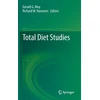
 4.6

 4.6
Ši prekė

 KNYGA Margo Jefferson On Michael Jackson
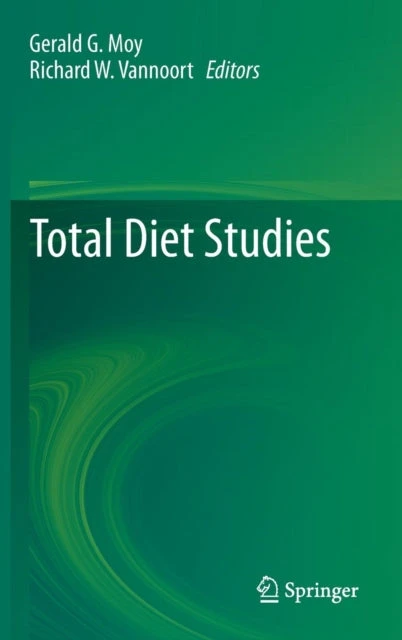
Unless a food is grossly contaminated, consumers are unable to detect through sight or smell the presence of low levels of toxic chemicals in their foods. Furthermore, the toxic effects of exposure to low levels of chemicals are often manifested slowly, sometimes for decades, as in the case of cancer or organ failure. As a result, safeguarding food from such hazards requires the constant monitoring of the food supply using sophisticated laboratory analysis. While the food industry bears the primary responsibility for assuring the safety of its products, the overall protection of people's diets from chemical hazards must be considered one of the most important public health functions of any government. Unfortunately, many countries do not have sufficient capability and capacity to monitor the exposure of their populations to many potentially toxic chemicals that could be present in food and drinking water. Without such monitoring, public health authorities in many countries are not able to identify and respond to problems posed by toxic chemicals, which may harm their population and undermine consumer confidence in the safety of the food supply. From a trade perspective, those countries that cannot demonstrate that the food they produce is free of potentially hazardous chemicals will be greatly disadvantaged or even subject to sanctions in the international marketplace. The goal of a total diet study (TDS) is to provide basic information on the levels and trends of exposure to chemicals in foods as consumed by the population. In other words, foods are processed and prepared as typical for a country before they are analyzed in order to better represent actual dietary intakes. Total diet studies have been used to assess the safe use of agricultural chemicals (e.g., pesticides, antibiotics), food additives (e.g., preservatives, sweetening agents), environmental contaminants (e.g., lead, mercury, arsenic, cadmium, PCBs, dioxins), processing contaminants (e.g., acrylamide, polycyclic aromatic hydrocarbons, chloropropanols), and natural contaminants (e.g., aflatoxin, patulin, other mycotoxins) by determining whether dietary exposure to these chemicals are within acceptable limits. Total diet studies can also be applied to certain nutrients where the goal is to assure intakes are not only below safe upper limits, but also above levels deemed necessary to maintain good health. International and national organizations, such as the World Organization, the European Food Safety Agency and the US Food and Drug Administration recognize the TDS approach as one of the most cost-effective means of protecting consumers from chemicals in food, for providing essential information for managing food safety, including food standards, and for setting priorities for further investment and study. Total Diet Studies introduces the TDS concept to a wider audience and presents the various steps in the planning and implementation of a TDS. It illustrates how TDSs are being used to protect public health from chemicals in the food supply in many developed and developing countries. The book also examines some of the applications of TDSs to specific chemicals, including contaminants and nutrients.

 5-10 d. d.
 5-10 d. d.
 5-10 d. d.
 5-10 d. d.
 5-10 d. d.
 5-10 d. d.
 5-10 d. d.
 5-10 d. d.
 5-10 d. d.


 Atsiėmimas Venipak paštomate lapkričio 25 d.