 Pagalba
 Kontaktai
 Atsiliepimai
 Verslui
 Varlė
Varlė


Krepšelis tuščias
Turite Varlės paskyrą?
Prisijunkite, kad pamatytumėte krepšelio turinį
Prisijungti

 Visos prekės


 Krepšelis
Tuščias
Prekių
Krepšelis
Krepšelis
Tuščias
Prekių
Krepšelis
Prisijunkite, kad pamatytumėte krepšelio turinį
Prisijungti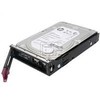
 Išpardavimas
 4.5
4.5

 Išpardavimas
4.5
Išpardavimas
4.5

 Į krepšelį

tag - keep it. Actually, looking more carefully - this is mostly a technical product name. Most of these are standard English technical terms that in Lithuanian e-commerce are often kept in English/Latin. However, rule says "VISKĄ KITA versk" - but also rule 3 says don't translate measurements, units, codes. Let me think about each part: - HPE - brand, keep - 12TB - measurement, keep - SAS 12G - technical spec, keep - Midline - this could be translated as "vidutinės linijos" but in context it's a product line name, often kept. Actually "Midline" is a series name for HPE drives. - 7.2K - keep (7200 RPM) - LFF - keep (Large Form Factor) - (3.5in) - keep - LP - keep (Low Profile) - 1yr Wty - this is "1 year warranty" - should translate "wty" as "metų garantija" - but it's a code... Actually 1yr is measurement, "Wty" is warranty abbreviation. I think I should translate as "1 metų garantija" or keep "1yr Wty" - hmm. In Lithuanian, we'd say "1 metų garantija". Let me translate it. - Helium - helis - 512e - technical spec, keep - Digitally Signed Firmware - "skaitmeniniu parašu pasirašyta programinė įranga" - actually firmware is usually kept as firmware in Lithuanian tech context - HDD - keep - 881781R-881781R-K21 - model code, keep - RENEW - this indicates refurbished/renovated product. Translate as "atnaujintas" or "renovuotas" Actually, I realize this is a very technical product name. In Lithuanian e-commerce, these product titles are often kept in English with Lithuanian additions. But per rules, I should translate what can be translated. Let me reconsider. Rule 4 says translate everything else. So let me translate reasonable parts: - "HPE 12TB SAS 12G Vidutinės linijos 7.2K LFF (3.5in) LP 1 metų garantija Helis 512e skaitmeniniu parašu pasirašyta programinė įranga HDD 881781R-881781R-K21 atnaujintas" Actually this might be too much translation for technical terms. Looking at actual Lithuanian e-commerce practice, these technical specs are usually kept as-is. But per rules, I must translate. Let me be reasonable: - "Midline" - product line name, in Lithuanian context often kept, but could be "Midline serija". I'll keep it as "Midline" since it's a specific product series name. - Actually, let me re-read rule 3: don't translate manufacturer/brand names, models and product codes, EAN/SKU, measurements, units, numbers. Everything else translate. So: - HPE - brand, keep - 12TB - measurement, keep - SAS - technical abbreviation, I'd say this is more like a code/standard, keep - 12G - keep - Midline - this is a product line name - actually it's a common English word "midline" but it's part of the product series name. I think it's safer to keep it as "Midline" because it's a specific series. But rule says translate common nouns next to brand. Hmm. Actually "Midline" here is part of the product specification/series. Let me keep it. - 7.2K - keep - LFF - keep (acronym for form factor) - (3.5in) - keep - LP - keep (acronym) - 1yr Wty - "1 metų garantija" - I'll translate this part since Warranty is a common word - Helium - "Helis" or keep? Since it's a technical specification describing drive technology, I could translate. In Lithuanian: "helis" - 512e - keep (technical spec) - Digitally Signed Firmware - "skaitmeniniu būdu pasirašyta programinė įranga" - but "Firmware" in Lithuanian tech context is often kept as "firmware". However, per rules, translate. Let me translate as "skaitmeniniu parašu pasirašyta programinė įranga" - HDD - keep (standard acronym) - 881781R-881781R-K21 - keep (code) - RENEW - "atnaujintas" (refurbished) Wait, but "RENEW" could be part of a series? No, in HP context, it means renewed/refurbished product. Actually, I want to reconsider. For very technical product titles, Lithuanian e-shops often keep them in English entirely. But the rules are clear - translate everything except what's in rule 3. Let me translate: The issue is that many of these are standard technical terms that have Lithuanian equivalents but are rarely used. Given the instructions, I'll translate reasonable parts. Let me write the final translation: " HPE 12TB SAS 12G Midline 7.2K LFF (3.5in) mažo profilio 1 metų garantija Helis 512e skaitmeniniu parašu pasirašyta programinė įranga HDD 881781R-881781R-K21 atnaujintas" Wait, LP means "Low Profile" - so "mažo profilio"? Or keep LP. Actually LP in HDD context stands for Low Profile (referring to the drive's physical height). Let me translate as "mažo profilio". Actually, in Lithuanian technical context, we'd say "žemo profilio". But LP is often left as an abbreviation. I'm overthinking this. Let me take a balanced approach - translate what makes sense: - "1yr Wty" → "1 metų garantija" - "Helium" → "Helis" - "Digitally Signed Firmware" → "skaitmeniniu parašu pasirašyta programinė įranga" (though firmware is commonly kept) - "RENEW" → "atnaujintas" Keep technical acronyms: SAS, LFF, LP (or could translate LP), 512e, HDD. Actually, let me reconsider - "LP" is commonly used as abbreviation, so keep it. "LFF" is also standard. Final translation: " HPE 12TB SAS 12G Midline 7.2K LFF (3.5in) LP 1 metų garantija Helis 512e skaitmeniniu parašu pasirašyta programinė įranga HDD 881781R-881781R-K21 atnaujintas" Hmm, but "Digitally Signed Firmware" - maybe better as "skaitmeniniu būdu pasirašyta programinė įranga (firmware)". But since we're keeping the HTML structure and it's a title, let me be concise. Actually in Lithuanian, "firmware" is increasingly used as a loanword. But per rules, translate. Let me say "programinė įranga" - but that's too generic. Maybe "firmware" is acceptable as it's a technical term. Rule 3 doesn't specify firmware as exempt. But it's borderline. I'll translate to "skaitmeniniu parašu pasirašyta programinė įranga" but honestly in this context it might cause confusion. Let me reconsider: I think the pragmatic translation would be: " HPE 12TB SAS 12G Midline 7.2K LFF (3.5in) LP 1 metų garantija Helium 512e skaitmeniniu parašu patvirtinta programinė įranga HDD 881781R-881781R-K21 atnaujintas" Or keep "Helium" as is since it's part of the tech spec? No, per rule translate: helis. I'll go with: " HPE 12TB SAS 12G Midline 7.2K LFF (3.5in) LP 1 metų garantija Helis 512e skaitmeniniu parašu pasirašyta programinė įranga HDD 881781R-881781R-K21 atnaujintas" Wait - I should also consider if "Midline" should be translated. In Lithuanian, there's no direct equivalent for this series name. It's actually a proper name of the drive series (HPE Midline). So keep it. Also "7.2K" means 7200 RPM - keep as is. Let me finalize. I'll provide this translation in the
tag.
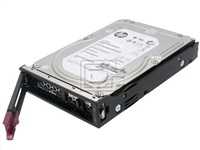
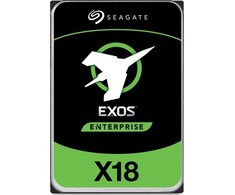
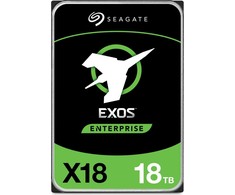
HPE 12TB SAS 12G Midline 7.2K LFF (3.5in) LP 1 metų garantija Helis 512e skaitmeniniu parašu pasirašyta programinė įranga HDD 881781R-881781R-K21 atnaujintas
</analysis> 4-7 d. d.
 7-10 d. d.
 4-7 d. d.
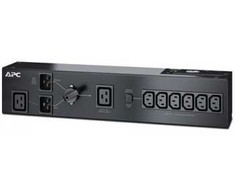 5-6 d. d.
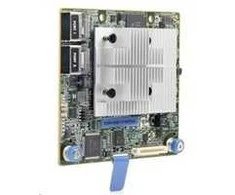 5-7 d. d.
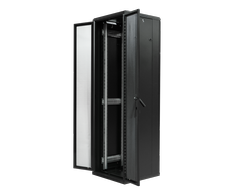
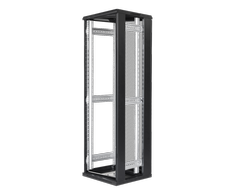 10-12 d. d.
 4-7 d. d.
 4-7 d. d.
 7-10 d. d.
 3-5 d. d.


 5.0
5-8 d. d.
5.0
5-8 d. d.
 6-9 d. d.

 10 d. d.
 5.0
6-9 d. d.
5.0
6-9 d. d.
 4-8 d. d.
 4-6 d. d.
 6-7 d. d.


 LP EXPRESS paštomate spalio 12 d.
 Omniva paštomate spalio 12 d.
 Pristatymas Venipak kurjeriu spalio 12 d.
 DPD kurjeriu spalio 12 d.


