Pagalba
 Kontaktai
 Atsiliepimai
 Verslui
 Varlė
Varlė


Krepšelis tuščias
Turite Varlės paskyrą?
Prisijunkite, kad pamatytumėte krepšelio turinį
Prisijungti

 Visos prekės


 Krepšelis
Tuščias
Prekių
Krepšelis
Krepšelis
Tuščias
Prekių
Krepšelis
Prisijunkite, kad pamatytumėte krepšelio turinį
Prisijungti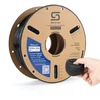
 4.5
4.5

 4.5
4.5
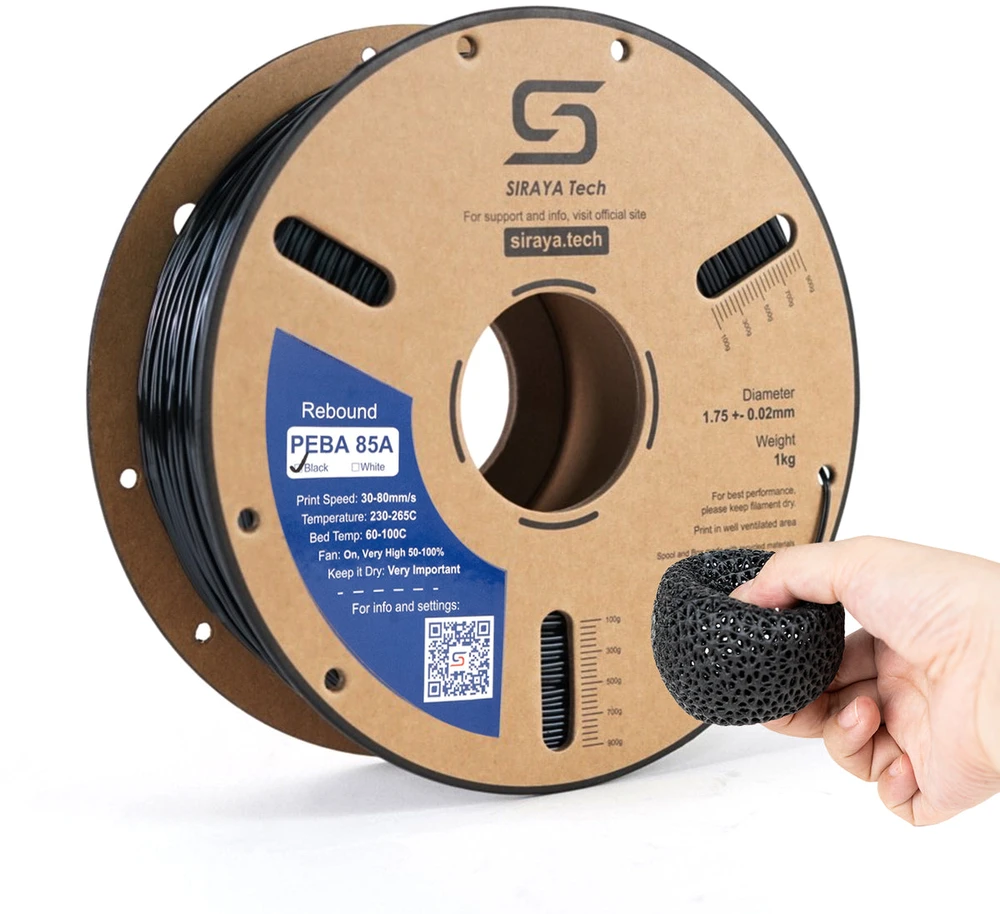
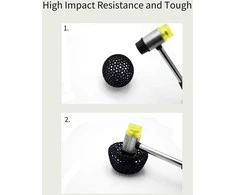
Siraya Tech Fibreheart Rebound PEBA 85A Black is a high-performance elastic filament built for parts that need real flexibility and fast rebound. Based on PEBA (a nylon–elastomer copolymer), it delivers a soft 85A feel with about 62% energy return, so prints spring back quickly after compression. The material stays flexible even in cold conditions down to around -30°C and is roughly 12% lighter than typical TPU, making it a great fit for sports gear, wearables, robotics and outdoor applications. Key Features

 4-9 d. d.

 4-8 d. d.
 4-9 d. d.
 4-9 d. d.
 4-9 d. d.
 4-9 d. d.
 4-9 d. d.
 4-9 d. d.
 4-9 d. d.
 5.0
2-3 d. d.
5.0
2-3 d. d.
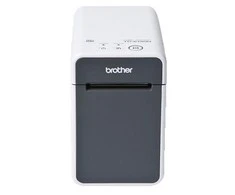
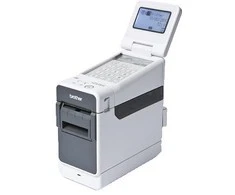 7-10 d. d.
 5-7 d. d.
 5.0
1-3 d. d.
5.0
1-3 d. d.

 2-3 d. d.
 2-3 d. d.

 3-5 d. d.

 2-4 d. d.


 Atsiėmimas Venipak paštomate spalio 9 d.
 Atsiėmimas LP Express paštomate spalio 9 d.
 Smartpost paštomate spalio 9 d.
 Atsiėmimas Omniva paštomate spalio 9 d.
 DPD atsiėmimo taškas spalio 9 d.